
Where we help you get a digital nomad visa
| Country | Income | Length of stay | Permanent residence and citizenship | Where to apply | |
|---|---|---|---|---|---|
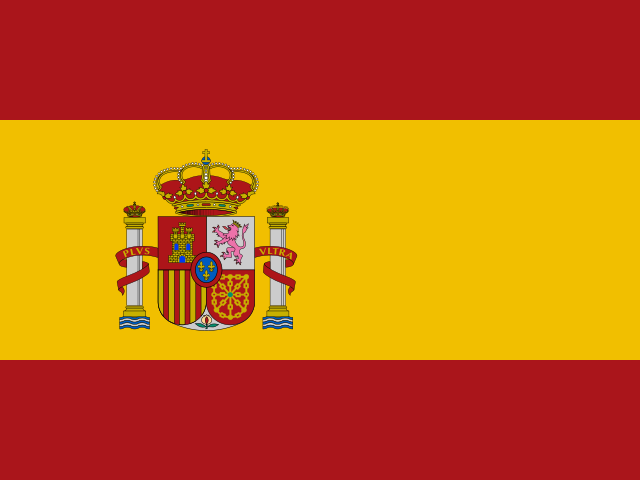 Spain | from €2,849 a month | Residence permit for up to 3 years, renewable for 2 years | Permanent residence after 5 years, citizenship after 10 | Consulate in your country of residence or in Spain | |
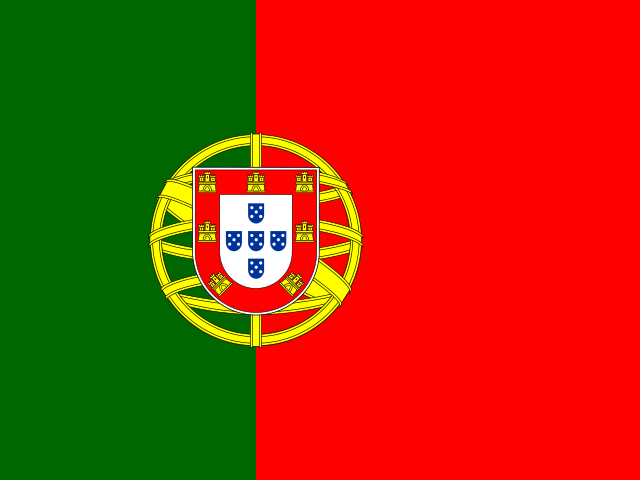 Portugal | from €3,680 a month and €11,040 in savings | Residence permit for 2 years, then for 3 years | Permanent residence after 5 years, citizenship after 10 | Consulate in your country of residence | |
 Greece | from €3,500 a month | Visa for 1 year, then a residence permit for 2 years | EU long-term resident status after 5 years, citizenship after 7 | Greek consulate, then the residence permit in Greece | |
 Cyprus | from €3,500 a month | 1 year, renewable up to 3 years | No | Only in Cyprus, in Nicosia | |
 Bulgaria | from €31,010 a year | 1 year, renewable for 1 more year | No | Bulgarian embassy, by arrangement | |
 UAE | from $3,500 a month | 1 year, renewable | No | Online or in the UAE |
Income thresholds for 2026. In Spain, Portugal and Bulgaria they are tied to the minimum wage and change with it.
Which other countries issue a digital nomad visa
Brazil has the lowest income threshold, Thailand checks savings instead of income, and Georgia has no separate visa: eligible nationalities can stay visa-free for up to a year.
| Country | Income | Length of stay | How to apply |
|---|---|---|---|
 ThailandDestination Thailand Visa | THB 500,000 in savings | 5-year visa, up to 180 days per entry | Thai embassy in your country of residence |
 Turkey | from $3,000 a month, age 21-55, university degree | Up to 1 year | Online form and consulate, for nationalities on the eligible list |
 Italy | about €25,500 a year | Up to 1 year, renewable | Italian consulate |
 South KoreaF-1-D visa | from KRW 52.41 million a year, depending on age and region | 1 year, renewable up to 3 years | Korean consulate |
 Croatia | from €3,622.50 a month or €43,470 in savings | Up to 18 months | Croatian consulate |
 Slovenia | about €3,100 a month | Up to 1 year, not renewable | Slovenian mission |
 Brazil | from $1,500 a month or $18,000 in savings | 1 year, renewable for 1 year | Brazilian consulate |
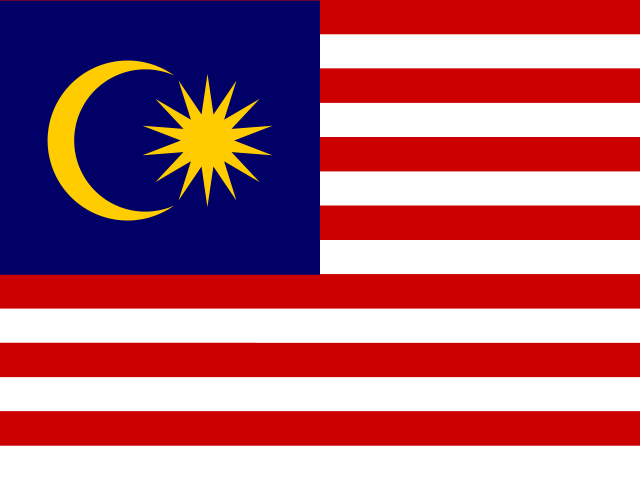 MalaysiaDE Rantau Nomad Pass | from $24,000 a year for IT, $60,000 for other professions | Up to 24 months | Online |
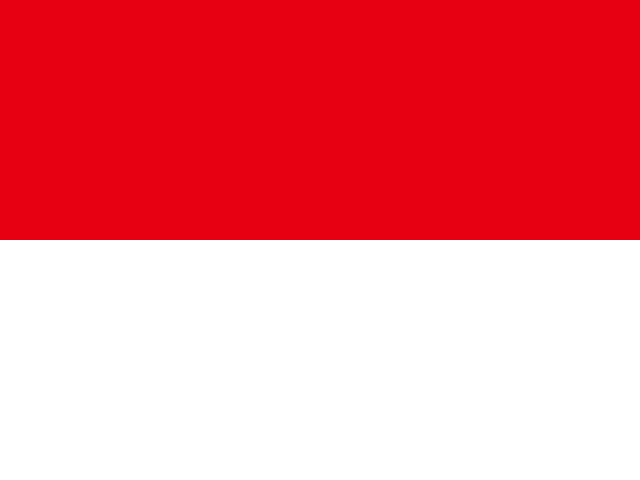 IndonesiaE33G visa | from $60,000 a year | 1 year | Online |
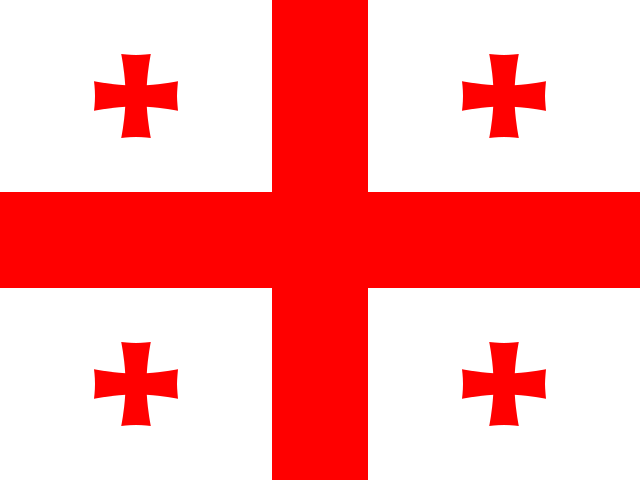 Georgia | No separate visa needed | Up to 1 year visa-free for eligible nationalities | Visa-free entry |
Conditions for 2026 according to the governments and consulates of these countries.
Where the digital nomad visa is restricted or unavailable
| Country | Why |
|---|---|
 Estonia | Does not accept visa applications from citizens of Russia |
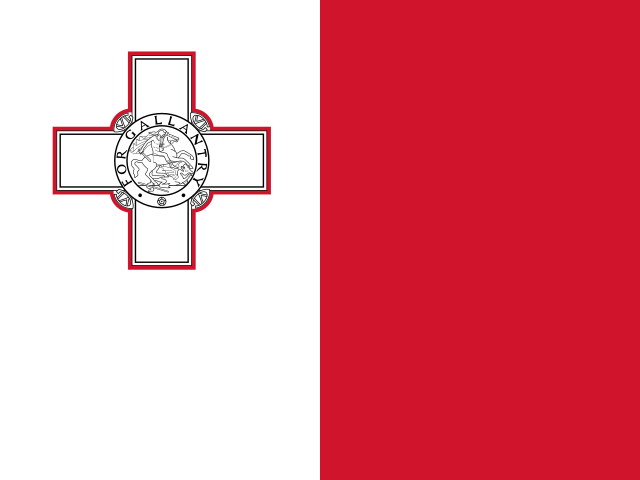 Malta | Does not accept applications from citizens of Russia and Belarus |
 Vietnam | No digital nomad visa, only a 90-day tourist e-visa |
 Serbia | No separate permit for digital nomads yet |
How the digital nomad visa works
A digital nomad visa, or a residence permit for remote work, gives you the right to live in a country while you work for a foreign company or for clients in other countries. It usually does not allow you to work for local employers. The country checks your income over recent months, your contract or clients, health insurance and a police clearance certificate.
Income thresholds are often tied to local wages: in Spain it is 200% of the minimum wage, in Portugal 4 minimum wages, and in Bulgaria 50 minimum wages a year. The amounts therefore change every year, and we check them before filing.
Of our programmes, the residence permits of Spain, Portugal and Greece lead to permanent residence and citizenship. In Cyprus, Bulgaria and the UAE the digital nomad visa is temporary, and permanent status requires a different basis. We help you choose a country that fits your income and plans and prepare the documents for the consulate.
Updated:
Thailand introduced new documents for the DTV visa: proof of permanent residence in the country of application and a police clearance certificate. Source
South Korea made the F-1-D visa permanent: the income threshold depends on age and region, and the length of stay has risen to 3 years. Source
Spain raised the minimum wage for 2026: the threshold for the digital nomad visa rose to €2,849 a month. Source
Slovenia introduced a residence permit for digital nomads valid for up to 1 year. Source
How to get a digital nomad visa
Choose a country
Compare the income threshold, the length of stay and the path to permanent residence. If you want an EU passport in future, Spain, Portugal and Greece fit. If you need a status quickly and without living in Europe, the UAE.
Prove your income and work
You need a contract with a foreign employer or clients and income statements for 3-6 months. Spain requires the company to have operated for at least a year and the contract to run for at least 3 months.
Collect the documents
Usually an international passport, a police clearance certificate with an apostille, health insurance, proof of accommodation and a degree or work experience where required. Documents are translated into the country's language.
Submit the application
For Spain, Portugal, Italy and Bulgaria you apply through the consulate in your country of residence; for Cyprus and the UAE, in the country itself. After the visa you obtain a residence card and then renew it.
What to consider before you apply
Who qualifies
Employees of foreign companies and freelancers whose clients are outside the country of stay. You need a stable income above the threshold and work experience or a degree if the country requires it, as Spain and Italy do.
Family
A spouse and children can be included in the application almost everywhere, but the income threshold rises. In Greece and Cyprus it goes up by 20% for a spouse and by 15% for each child.
Taxes
You usually become a tax resident after 183 days in the country. In Spain employees can choose a 24% rate on income up to €600,000, in Bulgaria the tax is 10%, and the UAE has no personal income tax.