Germany family reunion visa
For the spouse, children and parents of a German citizen or a foreign resident. The relative gets a D visa at the German embassy in their own country and receives the residence card in Germany.
- German for the spouse
- A1, with exceptions
- D visa
- from 3 months
- Permanent residence for the spouse
- after 3-5 years
Family reunion (Familiennachzug) gives a residence permit to the spouse and minor children of a person living in Germany, and in some cases to their parents. The conditions depend on who the family is joining. The spouse of a German citizen gets a permit without a housing check, income is usually not checked, and after 3 years they can get permanent residence. A family can join a foreign resident if that person has enough income and housing. Blue Card holders, skilled workers and the self-employed do not have to prove housing, and their spouses do not need German.
Other spouses need German at A1 before entry. The relative applies for a national D visa at the German embassy in their own country. The embassy sends a request to the foreigners' authority (Ausländerbehörde) for your address in Germany and issues the visa once it approves. We check the conditions before you apply, gather and translate the documents and prepare your relative for the visa interview.
Updated:
Family reunion with people who hold subsidiary protection was suspended for two years, until 23 July 2027. Families of German citizens, workers and other foreign residents are not affected. Source
Skilled workers, the self-employed and Blue Card holders whose first permit was issued on or after 1 March 2024 gained the right to bring their parents and parents-in-law. Source
What a Germany family reunion permit gives you
Work without a separate permit
A spouse and children with this permit can work as employees or be self-employed in any profession. The right to work is stated on the card itself.
School and study
Children attend a German school where they live. Adult family members can study at a university or on vocational courses.
Integration course
A spouse is entitled to an integration course that teaches German up to B1 and the basics of life in Germany. B1 is later needed for permanent residence.
Own permit after 3 years
After three years of living together in Germany, a spouse keeps the right to a residence permit even if the marriage ends.
Schengen travel without a visa
With a German residence card, relatives travel in the Schengen area for up to 90 days in any 180-day period.
Permanent residence after 3 or 5 years
The spouse of a German citizen can get permanent residence after 3 years. Other family members get permanent residence after 5 years under the general rules.
Income and housing requirements for family reunion in Germany
| Family income Income without benefits must cover the standard rates for each family member, rent with heating and insurance. The 2026 rates are €563 a month for a single adult, €506 for each partner in a couple and €357-471 per child. The authority calculates the exact amount for your family. | above basic benefits and rent |
| If you are a German citizen For a spouse the law makes this the rule, and for minor children and the parent of a child who is a German citizen income is not checked at all. Housing is not checked for the family of a German citizen. | income usually not checked |
| Housing 12 m² for each family member over 6 and 10 m² for each child under 6, and children under 2 are not counted. Blue Card holders, skilled workers and the self-employed do not have to prove housing for their spouse and children. | from 12 m² per person |
| Health insurance Until the family member joins statutory insurance, they need a private incoming-visitor insurance policy issued in an EU country. Travel insurance is not accepted. | for each relative |
| National D visa €37.50 for children under 18. Spouses and minor children of German citizens, and parents of minor German citizens, do not pay the visa fee. | €75 |
| Residence card in Germany The fee for an adult's first residence card is paid at the foreigners' authority. | €100 |
The income requirement is set in § 5 of the Residence Act, the housing requirement in § 29, and the exceptions for families of German citizens in § 28. The standard rates for 2026 were kept at the 2025 level, as published by the German government. The consular fee is listed on the embassy website, the residence card fee in § 45 of the Residence Ordinance, and the visa fee exemption for families of German citizens in § 52.
Who you can bring to Germany through family reunion
Spouse of a foreign resident
You and your spouse are at least 18. You hold permanent residence, a Blue Card or a researcher permit. With another permit, you have held it for 2 years, or the marriage took place before your move and you will live in Germany for more than a year.
Spouse of a German citizen
Over 18, the marriage is genuine, and the German citizen lives in Germany. German at A1 is required, with the same exceptions as for the spouse of a foreign resident. An unmarried partner does not get a family reunion permit but can come on a visa to marry in Germany.
Children under 16
Your unmarried minor children. If the child joins one parent and custody is shared, the other parent's consent or a court decision is required. No German is needed.
Children aged 16 and 17
If the child moves together with a parent, the conditions are the same as for younger children. If separately, they need German at C1 or signs that they will settle quickly in Germany. Children of Blue Card holders, skilled workers and the self-employed need no language.
Parents
Parents and parents-in-law of a skilled worker, self-employed person or Blue Card holder whose first permit was issued on or after 1 March 2024. They support themselves and take out private insurance. A parent with custody of a minor child who is a German citizen gets a permit without an income check.
Other relatives
Adult children, other parents, brothers and sisters are admitted only to avoid exceptional hardship, for example if the relative cannot live alone because of illness. Such permits are rarely granted.
How to get a German residence permit for your family
Eligibility check
1-3 daysWe check the permit of the person living in Germany, calculate income and housing space for the whole family and see whether the spouse needs an A1 certificate.
German at A1
The spouse takes an A1 exam with the Goethe-Institut, telc, ÖSD, ECL or TestDaF. The embassy accepts only a certificate of a passed exam and does not accept proof of course attendance. If the exam is not available in your country, we decide with you before applying where to take it, sometimes in a neighbouring country.
Documents and translations
We collect apostilled certificates, the invitation and the registration certificate from Germany. We translate all documents except passports and insurance into German.
Embassy application
The relative books an appointment through the embassy's booking system, gets a date and submits the documents in person at the embassy or, depending on the purpose, at the visa centre. Originals are returned right after the check.
Approval from the authority in Germany
from 3 monthsThe embassy sends the application to the foreigners' authority for your address. The visa is not issued without its approval, and for the first 3 months the embassy does not answer questions about the status.
Arrival and residence card
After arrival the relative registers their address within 2 weeks and, while the visa is valid, applies for the residence card at the foreigners' authority.
Germany family reunion requirements and documents
Applicant requirements
- For you: German citizenship or a permit that allows you to bring your family
- For you: income without benefits that covers the whole family, if you are not a German citizen
- For you: housing of at least 12 m² for each family member over 6, except for Blue Card holders, skilled workers and the self-employed
- For your spouse: age 18 and German at A1, unless an exception applies
- For your spouse: a genuine marriage, not entered into for a permit or under coercion
- For everyone: health insurance until joining German insurance
- For everyone: no grounds for expulsion from Germany, such as a serious criminal conviction
- For the parents of a skilled worker: their own living funds and private insurance
Documents
- National visa application in German, completed at videx-national.diplo.de and signed by hand
- Three biometric photos 45 × 35 mm on a white background
- Signed passport with at least three blank pages
- Your national ID or internal passport, if your country issues one, with copies of all completed pages; if you apply outside your country of citizenship, your residence permit there
- Apostilled marriage certificate and, for previous marriages, divorce papers or a death certificate of the former spouse
- Copy of the passport or residence permit of the person living in Germany, and their registration certificate no older than 6 months
- Their invitation in free form, with an undertaking to support the relative
- German A1 certificate
- CV in table form with no gaps, in German or with a translation
- Health insurance issued in an EU country
- For children: apostilled birth certificate and the other parent's consent or a court custody decision
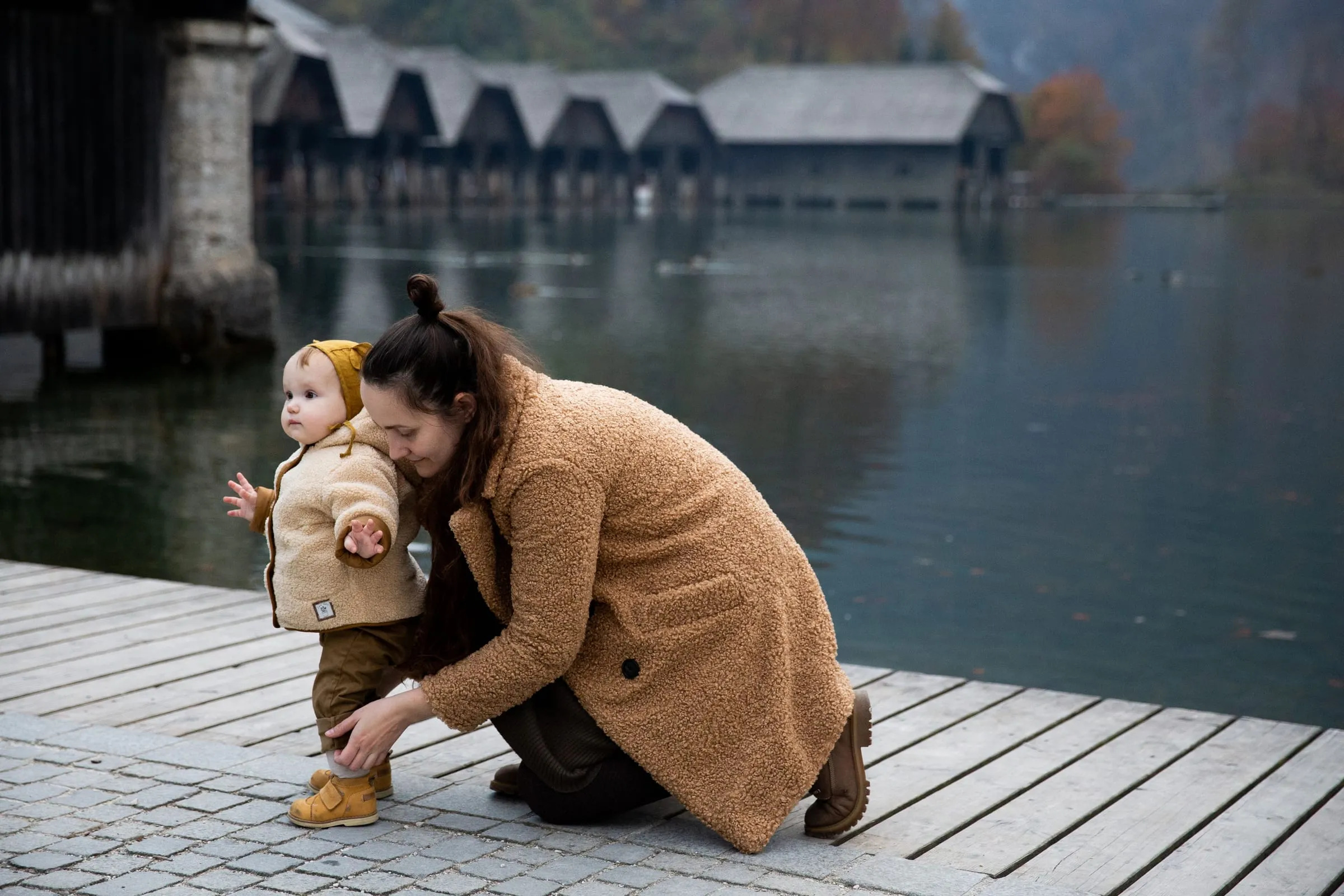
Rights of relatives with a family reunion permit
- Work
- A spouse and children with a family reunion permit work as employees or are self-employed without a separate permit. There are no restrictions on profession or employer.
- Taxes
- A relative becomes tax resident in Germany when their main home is in Germany or they have lived in the country for more than 6 consecutive months. They then pay tax in Germany on worldwide income.
- Days in the country
- There is no minimum number of days. The permit lapses if you leave Germany for good or spend more than 6 consecutive months abroad without the foreigners' authority's consent. For the family of a Blue Card holder the period is 12 months.
- Family of a German citizen
- The spouse and minor children of a German citizen get permits without a housing check, and the spouse's income is usually not checked. The spouse needs German at A1, and after 3 years with German at B1 can get permanent residence.
- Changing the ground
- After 3 years of living together in Germany, the spouse's permit becomes independent and remains valid after divorce. Before that, this can happen in cases of domestic violence and other particularly severe circumstances. At 18 a child's permit also becomes independent.
- Permanent residence and citizenship
- The spouse of a German citizen gets permanent residence after 3 years, and other family members after 5 years with German at B1, income and 60 months of pension contributions. Citizenship is granted under the general rule after 5 years with German at B1.
Germany family reunion FAQ
How do I get a German residence permit for my family?
To get a German residence permit for your family, the relative applies for a national D visa at the German embassy in their own country. The foreigners' authority for your address checks your income, housing and, for a spouse, German at A1. Once it approves, the relative enters Germany and gets a residence card there. A visa decision takes from 3 months.
What income do I need for family reunion in Germany?
There is no fixed amount for family reunion in Germany. Income without benefits must cover the standard rates for each family member, rent and insurance. In 2026 the rate is €506 for each adult in a couple and €357-471 per child. A German citizen usually does not need to prove income for a spouse.
Which relatives can apply for family reunion?
A spouse over 18 and unmarried minor children can come to Germany through family reunion. Parents can be brought by skilled workers whose first permit was issued on or after 1 March 2024. Adult children, brothers, sisters and other parents are admitted only in cases of exceptional hardship, for example illness.
What documents do I need for family reunion in Germany?
A German family reunion visa requires an application in German, a passport, photos, an apostilled marriage or birth certificate, an A1 certificate for the spouse, a copy of the passport or permit of the person living in Germany, their registration certificate, an invitation, a CV and insurance. Documents are translated into German.
Can I get family reunion in Germany without passing A1?
Yes, in several cases. A spouse does not need A1 when joining a Blue Card holder, skilled worker or self-employed person, when illness or disability prevents learning the language, or when the authority considers the need for integration to be low. Another exception applies when learning the language within a year is impossible or unreasonable because of special circumstances.
Is family reunion open to all nationalities?
Yes. Family members of any nationality apply on the same terms, including citizens of Russia. The current exception concerns the person being joined: family reunion with people who hold subsidiary protection is suspended until 23 July 2027. Families of German citizens, workers and other foreign residents are not affected.
Can I bring my parents to Germany?
Yes, if you are a skilled worker, self-employed or a Blue Card holder and your first German permit was issued on or after 1 March 2024. You can also bring your spouse's parents. Parents must support themselves and have private insurance. In other cases parents are admitted to Germany only in cases of exceptional hardship.
How long do I need to be married to stay in Germany?
To stay in Germany after a divorce, you need 3 years of married life together in Germany. The spouse's permit then becomes independent and is first extended for a year. Before 3 years, the permit is kept in cases of domestic violence and other particularly severe circumstances.
When does the spouse of a German citizen get permanent residence?
The spouse of a German citizen gets permanent residence after 3 years with a permit, if the family still lives together in Germany, there are no grounds for expulsion and the spouse has German at B1. The spouse of a foreign resident gets permanent residence under the general rules after 5 years. German citizenship is granted under the general rule after 5 years.
Can a spouse work on a German family reunion permit?
Yes. With a family reunion permit, a spouse works in Germany as an employee or is self-employed without a separate permit, in any profession and for any employer. The right to work is stated on the residence card itself.
How long does family reunion in Germany take?
Family reunion in Germany usually takes 3-6 months after you apply, plus the wait for an embassy appointment. The visa decision depends on the foreigners' authority, and for the first 3 months the embassy does not report on the status. The A1 exam must be passed before you apply.